If you have ever tried to dig a garden bed in Carmel or Zionsville, you likely encountered the “Indiana Special”: a thick, sticky layer of gray-brown clay. While clay is rich in nutrients, its physical structure is the primary enemy of a lush, healthy lawn.
At Lemcke Landscape, we know that high-end outdoor living starts from the ground up. This spring, don’t just work on your lawn—work on the soil beneath it.
1. Why Indiana Clay Soil Is So Challenging
Clay soil is composed of microscopic, flat particles that pack together tightly. Unlike sandy soil, which has large “pore spaces” for water and air, clay particles leave almost no room for roots to breathe.
- Compaction Issues: Foot traffic and even heavy spring rains compress these tiny particles further, creating a surface as impenetrable as concrete.
- The Seasonal Cycle: In the spring, clay acts like a sponge, holding onto water and staying “mushy” long after the rain stops. By July, that same moisture evaporates, leaving the ground cracked and bone-dry.
- Plant Stress: When roots are trapped in waterlogged clay, they essentially suffocate from a lack of oxygen, leading to stunted growth or root rot.
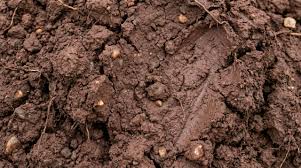 2. Signs Your Yard Has a Clay Soil Problem
Not sure if your drainage issues are due to clay or just a low spot? Look for these three primary “red flags”:
- Lingering Puddles: If you have standing water 24 hours after a rainstorm, your soil’s percolation rate is too slow.
- The “Sticky vs. Shatter” Test: If you can squeeze a handful of moist soil into a ball and it stays together like Play-Doh, it’s heavy clay.
- Thinning Turf: Grass needs deep roots to survive Indiana’s hot summers. If your lawn looks great in May but dies in patches by August despite watering, compacted clay is likely preventing root depth.
3. How to Amend Clay Soil for Better Results
You cannot “fix” clay overnight by adding sand (which actually creates a substance similar to mortar). Instead, you must change the soil’s chemistry and structure.
- Organic Compost: This is the “gold standard.” Mixing high-quality compost into your beds introduces organic matter that wedges between clay particles, creating those much-needed air pockets.
- Gypsum Applications: Gypsum is a mineral that helps “flocculate” clay—essentially grouping tiny particles into larger clumps to improve water flow without altering your soil’s pH.
- Annual Topdressing: Spreading a thin layer of compost over your lawn each spring allows nutrients to filter down into the clay, building long-term soil health.
4. Core Aeration: The Spring Essential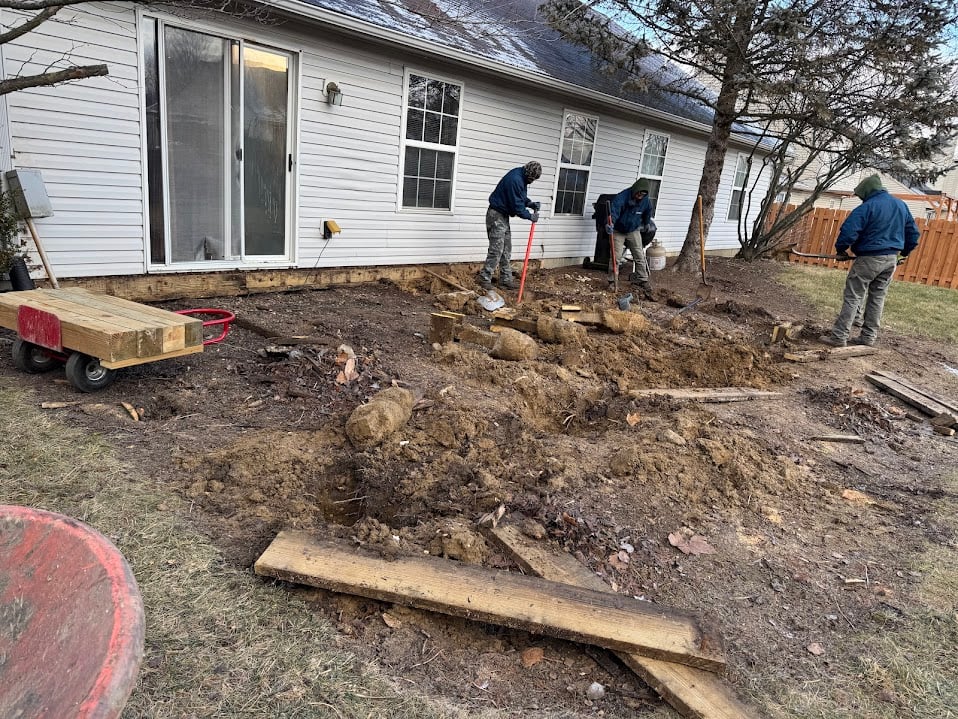
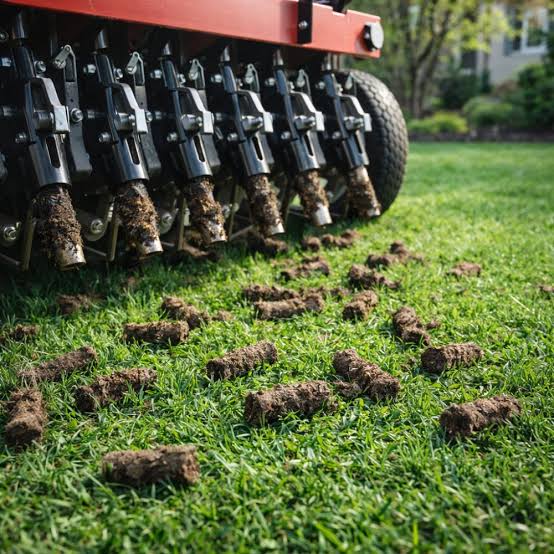
The most effective way to combat compacted soil in Indianapolis is professional core aeration. Unlike “spike” aerators that just push soil aside, a core aerator removes physical “plugs” of soil from the ground.
The Pro Secret: Spring is a prime window for aeration in Central Indiana. By pulling plugs now, you allow spring rains to carry oxygen and nutrients directly to the root zone. When followed immediately by overseeding and compost topdressing, you fill those holes with better material, permanently improving your yard’s drainage.
5. Plant Choices That Thrive in Clay Soil
Sometimes, the best strategy is to stop fighting the soil and start working with it. Many native Indiana plants have evolved specifically to thrive in our heavy clay.
|
Plant Type |
Recommended Varieties |
Benefits |
|
Perennials |
Purple Coneflower, Black-Eyed Susan, Joe Pye Weed |
Deep roots that break up clay |
|
Shrubs |
Red-Osier Dogwood, Ninebark |
High moisture tolerance |
|
Trees |
River Birch, Swamp White Oak |
Thrives in “wet feet” conditions |
6. When to Call a Professional
While DIY mulching helps, some clay problems require heavy-duty landscape drainage solutions in Indianapolis.
You should consult a professional if you experience:
- Basement Seepage: If clay-driven runoff is directed toward your home.
- Major Grading Needs: When the “pitch” of your yard prevents water from reaching a drainage exit.
Large-Scale Renovations: If you are installing a new hardscape or pool, you need to ensure the surrounding soil is stabilized and drained correctly.
Indiana clay soil is one of the most common challenges homeowners face, but with the right approach this spring, you can build a healthier lawn and garden that performs all season long. Not sure where to start with your clay soil issues? Contact Lemcke Landscape this spring for a property evaluation and a plan built around what your yard actually needs.