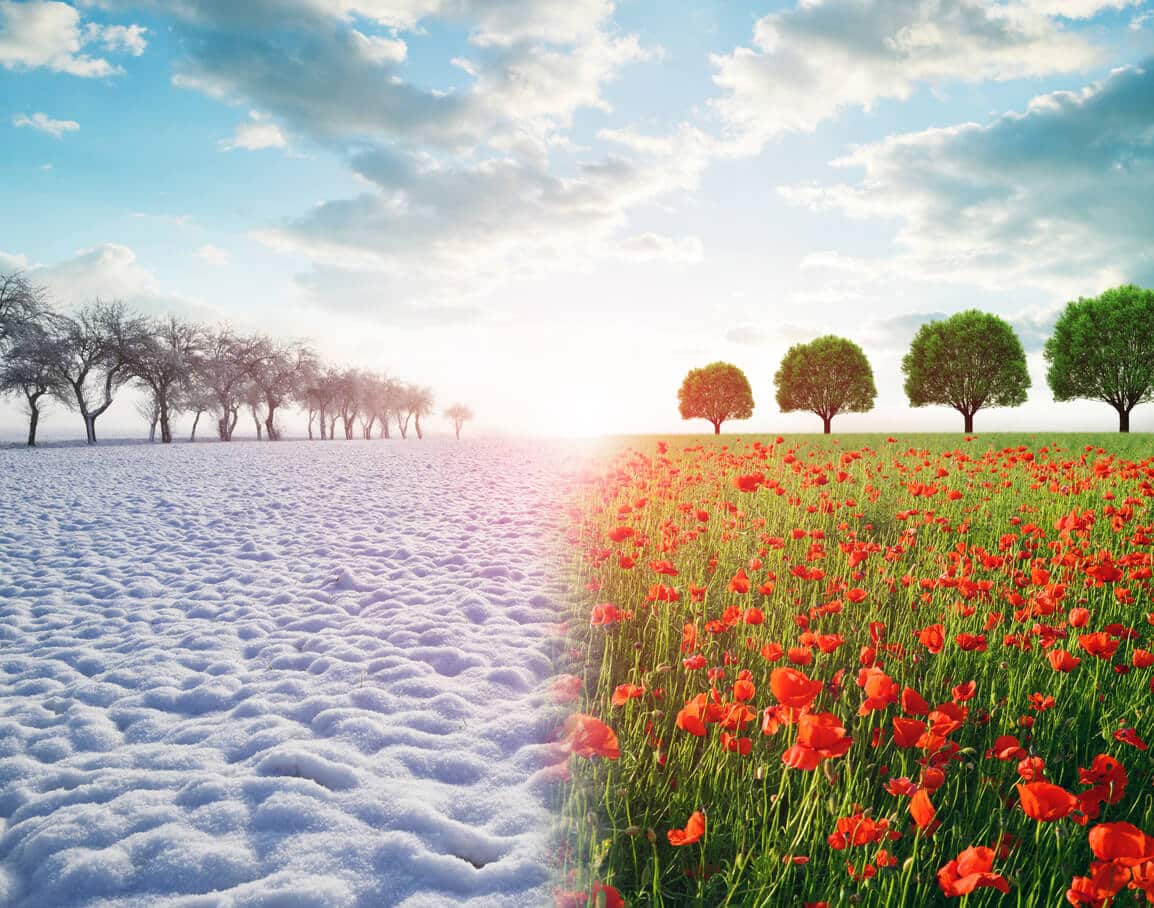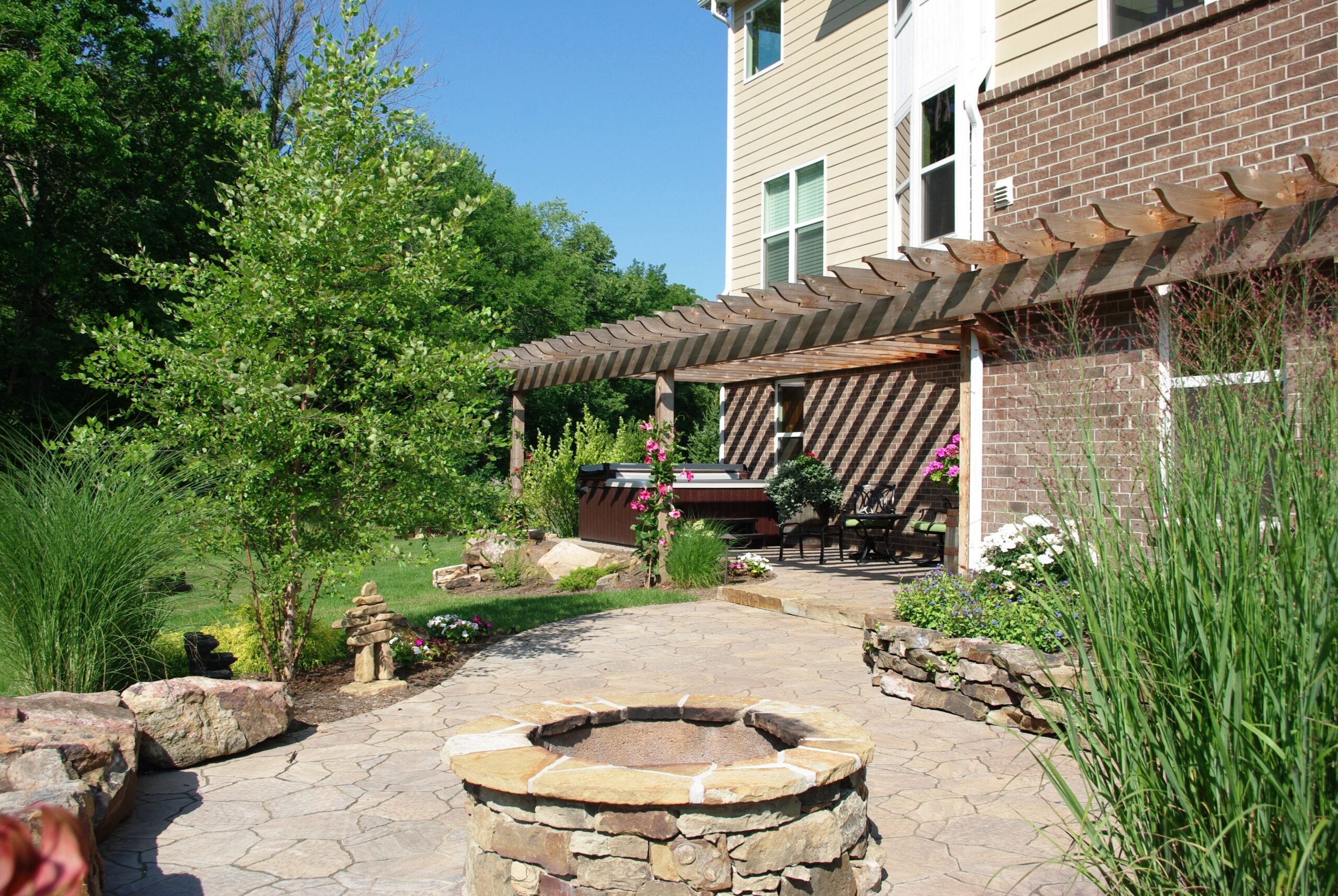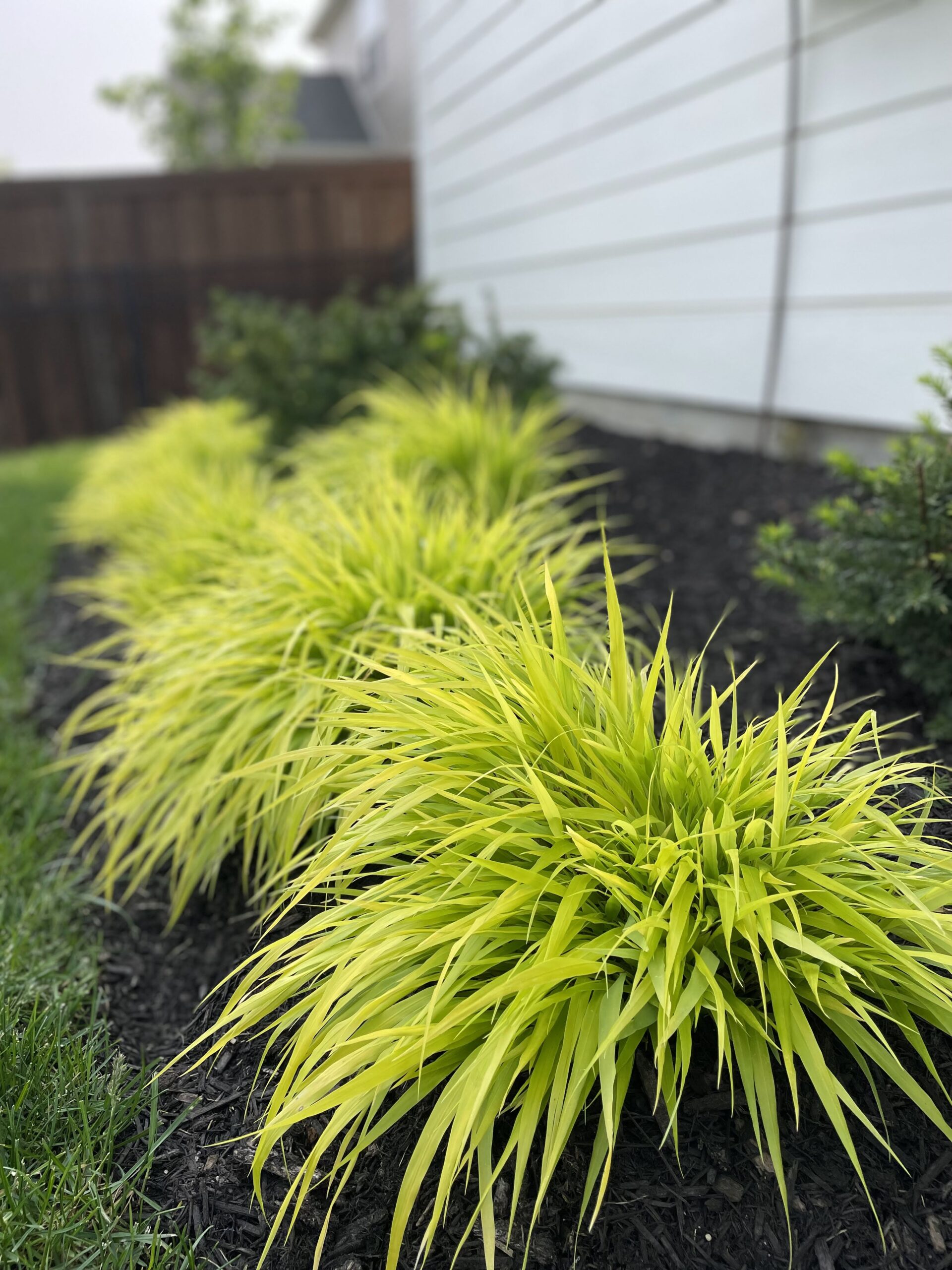
As the frost begins to retreat from Central Indiana, local homeowners are looking toward the soil with a common goal: a lush, vibrant yard that doesn’t require a second job to maintain. Transitioning to native plants in Indiana is the secret to achieving that perfect balance of aesthetics and ease. By choosing species naturally adapted to our specific silt-loam soils and seasonal swings, you can create low-maintenance landscaping in Indianapolis that thrives without constant pampering. Whether you are aiming for the polished curb appeal typical of sustainable gardens in Carmel, IN, or the rustic charm of a Zionsville woodland retreat, planting natives now ensures a resilient, eco-friendly sanctuary that honors our local heritage.
 Why Native Indiana Plants Belong in Your Landscape
Across the suburbs of Central Indiana, a shift is happening: the high-maintenance “golf course” lawn is being replaced by the intentional beauty of native plants in Indianapolis. Homeowners are increasingly embracing eco-friendly landscaping in Indiana not just for its visual appeal, but for its incredible resilience. Native species have spent millennia adapting to our heavy clay soils and unpredictable weather patterns—from humid July heatwaves to sudden spring frosts. Because they have co-evolved with local fauna, these plants provide critical ecological support, offering specialized nectar and nesting sites for Indiana’s pollinators that traditional ornamentals simply cannot match.
Beyond the environmental impact, the most immediate perk for the homeowner is the drastic reduction in weekend chores. Once established, native gardens require significantly less watering; their deep root systems—often reaching several feet into the earth—tap into moisture reserves that shallow-rooted turf cannot reach. This natural hardiness means you can skip expensive fertilizers and chemical pest controls, as these plants possess built-in defenses against local pests. For those investing in sustainable yard design in Carmel, this translates to a landscape that pays for itself over time through lower water bills and reduced maintenance costs.
Best Native Plants for Central Indiana Landscapes
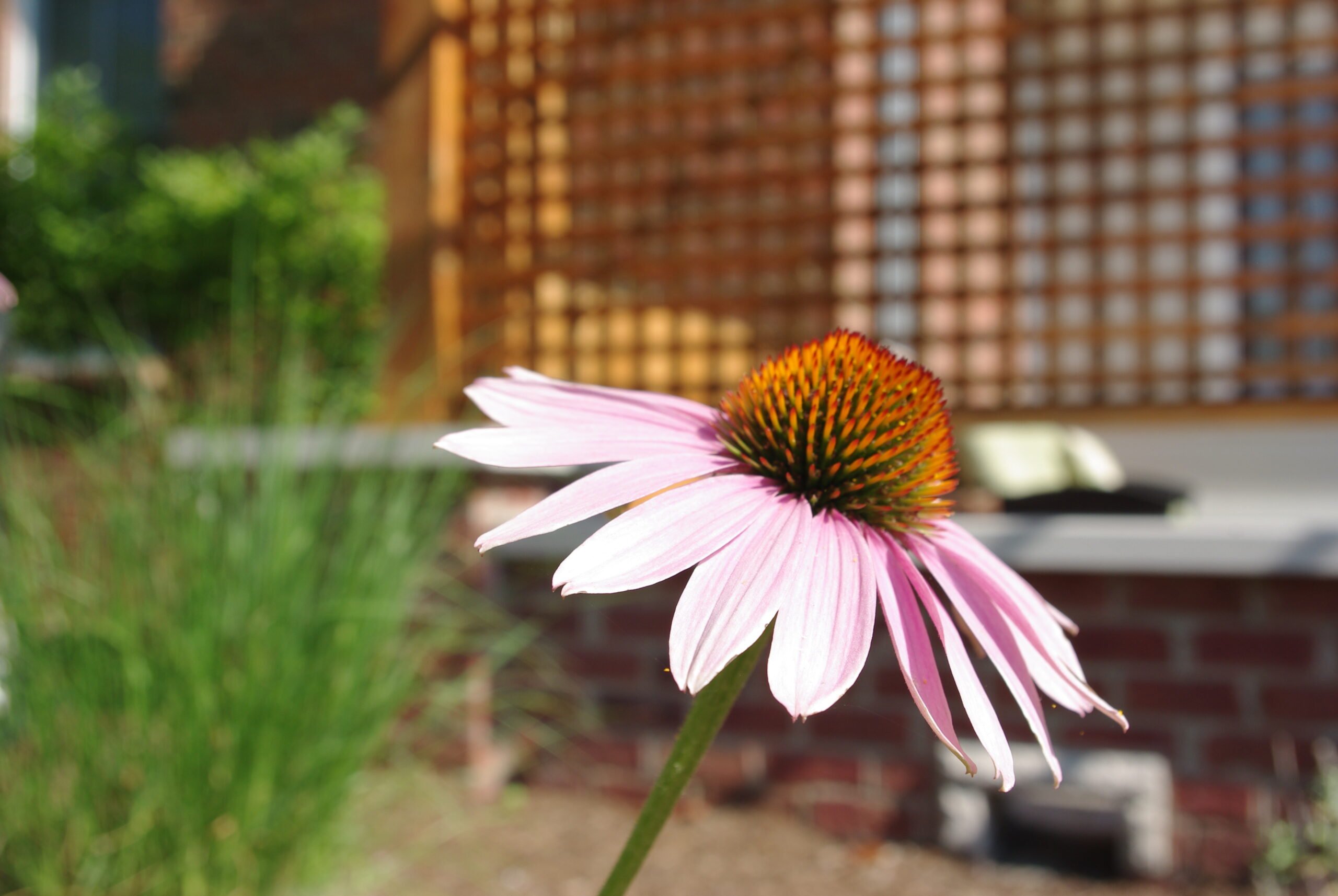
Selecting from an Indiana native plants list doesn’t mean sacrificing style for sustainability. In fact, many sought-after native garden ideas in Zionsville feature high-impact species that rival traditional ornamentals. For a splash of summer color, hardy perennials like the Purple Coneflower, Black-eyed Susan, and the striking vertical spikes of Blazing Star are essential. These drought-tolerant landscaping in IN staples thrive in heavy clay and ensure your garden hums with life from June through September.
To provide year-round structure, look toward reliable shrubs and small trees like the Serviceberry and Eastern Redbud, which offer spectacular spring blooms. For areas prone to runoff, incorporating native grasses like Little Bluestem or Switchgrass provides excellent erosion control and a golden architectural element during the winter months.
Quick-Reference Planting Guide
| Plant Type | Recommended Species | Key Benefit |
| Flowering Perennial | Purple Coneflower, Black-eyed Susan | Heat-resistant, long bloom time |
| Shrub / Small Tree | Serviceberry, Spicebush, Redbud | Multi-season interest, bird-friendly |
| Grasses | Little Bluestem, Prairie Dropseed | Deep roots for erosion control |
| Groundcover | Wild Ginger, Sedum Ternatum | Low-profile weed suppression |
Designing with Native Plants: Beauty Meets Function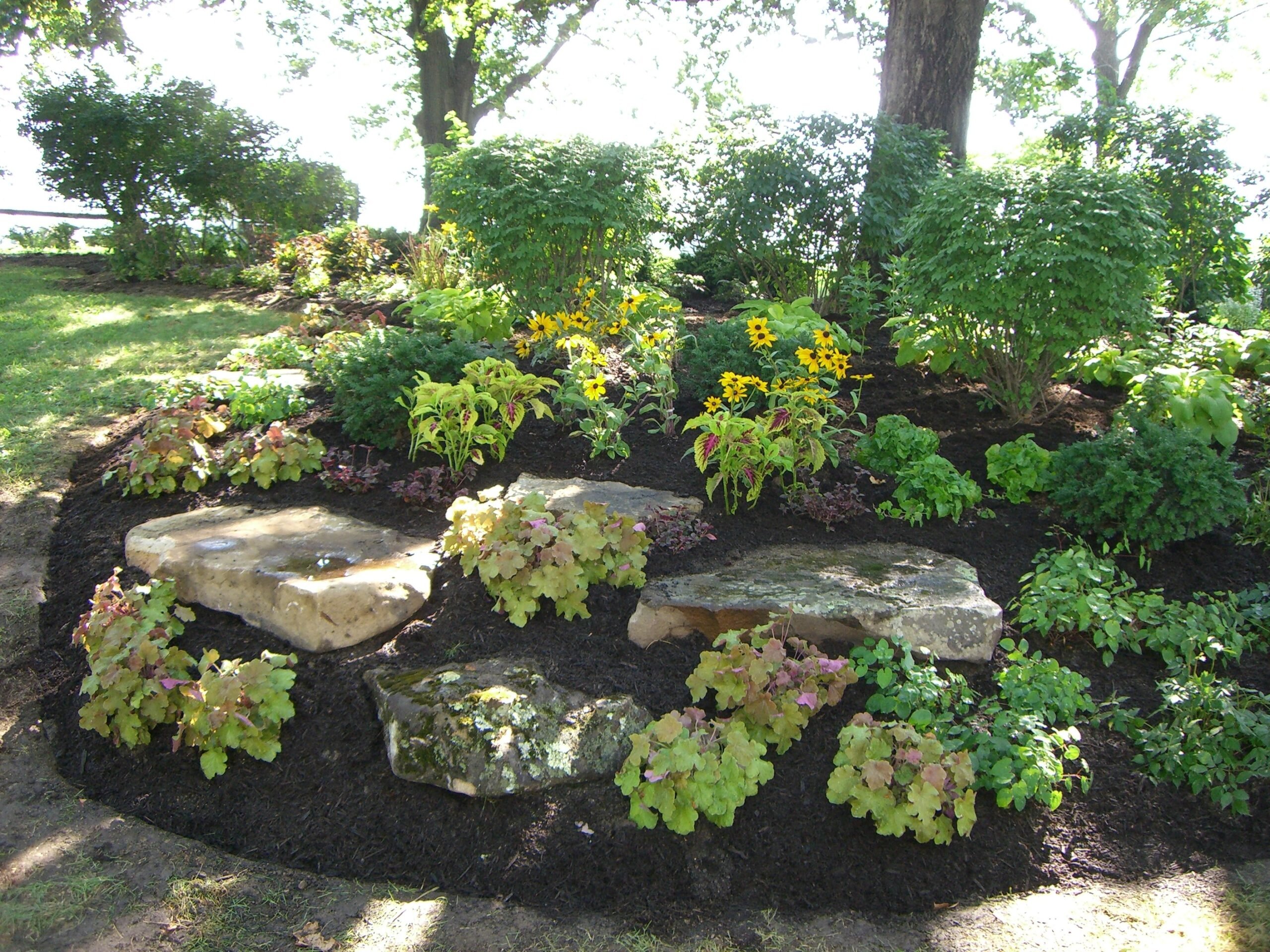
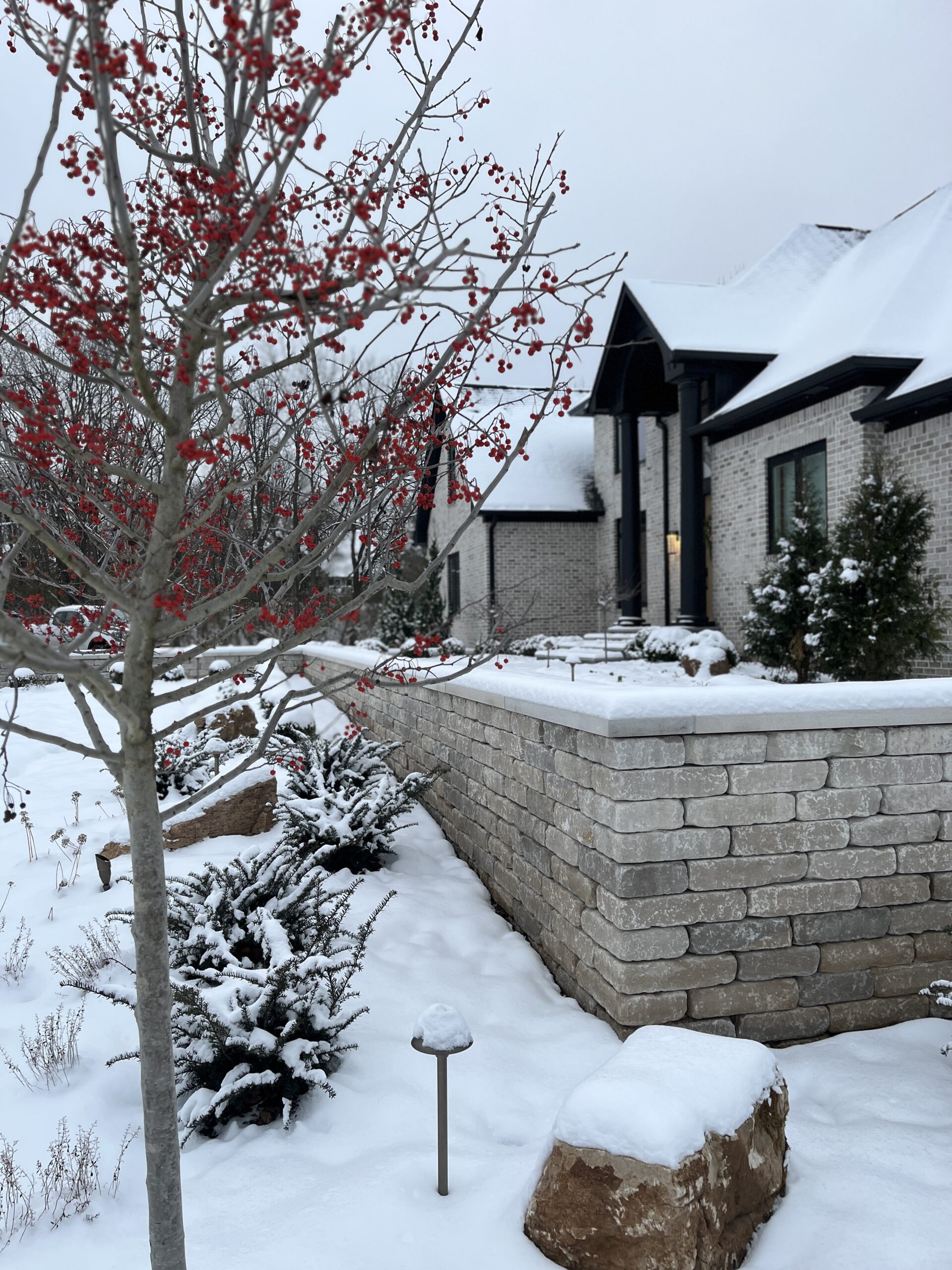
True native landscape design in Indianapolis is about more than just scattering seeds; it’s about “curb appeal with a purpose.” To achieve a sophisticated look, focus on creating layered plantings that mimic nature’s vertical structure—placing taller structural grasses in the back, mid-sized perennials in the center, and low-growing groundcovers at the edges. This layering creates a year-round tapestry of textures that keeps your yard interesting even in the depths of an Indiana winter. When you pair these native landscaping in Carmel favorites with modern hardscapes—like clean-lined stone walkways or Corten steel planters—the result is a polished, contemporary aesthetic.
Beyond the visuals, your design can serve as a functional sanctuary by strategically placing pollinator gardens in Indiana. By grouping “pollinator powerhouses” near windows or seating areas, you can enjoy a front-row seat to the hummingbirds and butterflies attracted to your yard. For the best results, aim for a succession of blooms, pairing early-spring Golden Ragwort with mid-summer Milkweed and late-autumn Asters to ensure a vibrant ecosystem from the first thaw to the first frost.
Complementing Natives with Hardscapes and Lighting
To truly elevate your design, consider integrating “soft” plant life with “hard” structural elements. A popular trend in hardscape design in Carmel, IN, involves blending geometric natural stone paths with the airy texture of native grasses. This juxtaposition creates a sophisticated “ordered wildness” that looks intentional rather than overgrown. Using permeable pavers for these walkways is an excellent choice for our region, as they allow Indiana’s heavy spring rains to soak directly into the earth, nourishing deep roots while preventing the standing water issues common in local clay soils.
To ensure your landscape remains a focal point after the sun sets, strategic landscape lighting in Zionsville is essential. Low-voltage LED fixtures can be used to graze the textured bark of a River Birch or highlight the silhouettes of your grasses, creating dramatic depth. For a more immersive experience, a natural stone water feature can enhance the serenity of your garden while serving as a vital water source for local wildlife.
 Where and When to Plant for Spring Success
Timing is everything when it comes to spring landscaping tips in Indiana. To give your new additions the best head start, aim to get your plants in the ground between late March and mid-May. Following a planting calendar for Central Indiana is crucial; by planting while the ground is cool and rains are frequent, you allow species to establish robust roots before the grueling humidity of July sets in. This early landscape installation in Indianapolis ensures your plants are actively thriving, rather than just surviving, by the time summer peaks.
Preparing your garden beds is a refreshingly simple process. Since these plants are evolved for our “heavy” soil, avoid over-amending with store-bought potting mixes or heavy fertilizers, which can actually cause native species to grow too tall and flop over. Instead, focus on clearing away invasive weeds and loosening the existing soil to improve aeration. If your soil is particularly compacted from new construction, a small amount of organic leaf compost can jumpstart the biological activity your new plants need.
Landscaping with native Indiana plants is the smart choice for homeowners who want beauty without the constant upkeep. These resilient, region-friendly plants save time, conserve water, and provide a vibrant landscape that supports local wildlife. Ready to plan your spring landscape refresh? Contact Lemcke Landscape today to create a stunning, low-maintenance outdoor space that thrives in Indianapolis, Carmel, or Zionsville.