Homeowners across Carmel, Zionsville, Westfield, and Indianapolis are rethinking what a “beautiful yard” really means. Today’s most compelling landscapes don’t just look refined—they produce something meaningful. Edible landscaping blends elegance with purpose, turning your outdoor space into a curated, high-performing environment that delivers both visual impact and fresh, seasonal food.
If you’re exploring edible landscaping Indiana or planning a foodscape design Indianapolis, spring is the ideal time to begin.
1. What Is Edible Landscaping and Why It Works in Indiana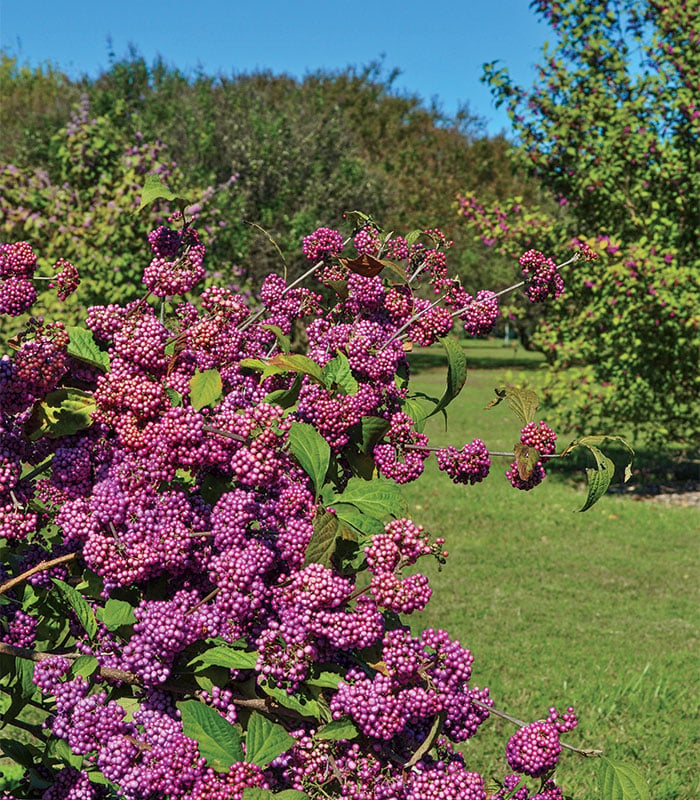
At its core, what is edible landscaping? It’s the integration of food-producing plants—fruits, herbs, and vegetables—into a traditionally ornamental landscape design. Instead of separating a vegetable garden in the backyard, edible landscaping weaves productivity directly into your front yard beds, patios, and foundation plantings.
Traditional Garden vs. Edible Landscape
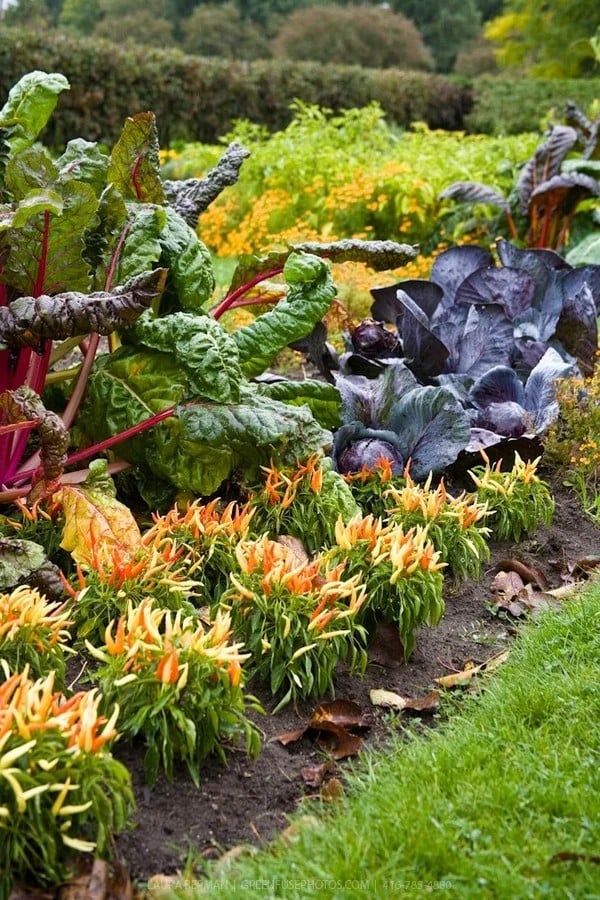
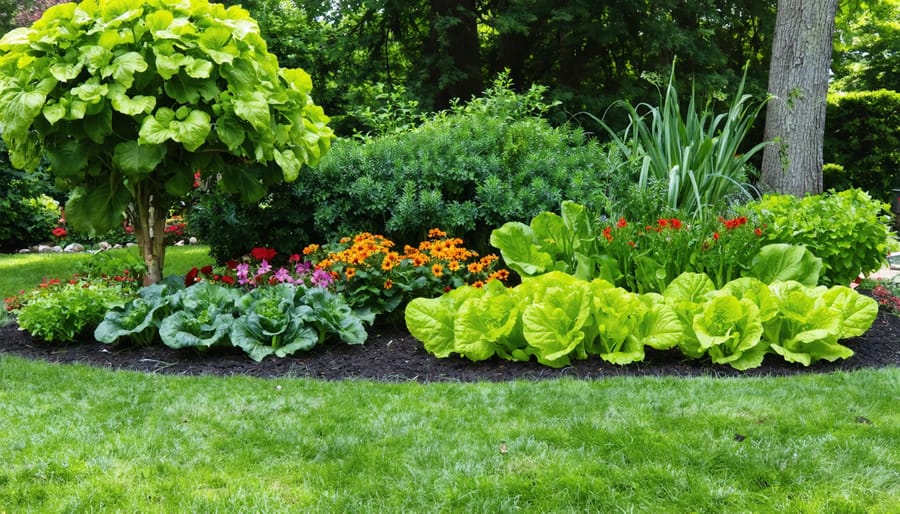
A traditional vegetable garden is often utilitarian: rows, seasonal turnover, and limited aesthetic appeal. In contrast, an edible landscape is designed with intention—layered plantings, structured layouts, and year-round visual interest. Think espaliered apple trees along a fence line, blueberry hedges defining a walkway, or herbs tucked into perennial borders.
Why Indiana Is Ideal
Indiana’s climate—characterized by four distinct seasons, moderate rainfall, and fertile soils—makes it exceptionally well-suited for edible landscaping Indiana. From early spring greens to late fall harvests, a thoughtfully designed foodscape can produce for much of the year.
Common Misconceptions
Many homeowners assume edible landscapes look messy or require excessive upkeep. In reality, a professionally planned foodscape design Indianapolis can look more polished than a traditional yard. Strategic plant selection and layout ensure a clean, intentional aesthetic while still delivering harvests.
2. Best Edible Plants for Indianapolis Yards
A successful edible landscape begins with the right plant palette—species that thrive in central Indiana while offering strong visual appeal.
Fruit Trees That Perform Beautifully
For structure and seasonal interest, fruit trees are foundational. Excellent choices for fruit trees Indiana include:
- Apple (dwarf and semi-dwarf varieties for manageable size)
- Pear (notably disease-resistant cultivars)
- Serviceberry (a standout ornamental tree with edible berries and striking spring blooms)
These trees provide blossoms in spring, shade in summer, and color in fall.
Berry Bushes That Double as Ornamentals
For layered plantings, berry bushes Carmel Indiana homeowners love include:
- Blueberry (vibrant fall foliage and tidy growth habit)
- Elderberry (lush and naturalistic, great for larger properties)
- Currant (compact and elegant for smaller beds)
These shrubs integrate seamlessly into formal and informal designs alike.
Herbs and Perennial Edibles
Low-maintenance and highly versatile, perennial herbs that Indiana landscapes benefit from include:
- Chives (great edging plant with spring blooms)
- Sage (silvery foliage adds contrast)
- Rhubarb (bold, architectural leaves)
These return year after year, making them a reliable backbone for edible plantings.
3. Designing a Foodscape That Looks Great Year-Round
The key to exceptional foodscapes in Indianapolis is ensuring your landscape remains visually compelling in every season—not just during harvest.
Layering for Depth and Interest
A well-designed edible landscape mirrors natural ecosystems:
- Canopy layer: fruit trees
- Shrub layer: berry bushes
- Ground layer: herbs and low-growing edibles
This layering creates fullness and sophistication while maximizing productivity.
Seasonal Visual Appeal
Choose plants that contribute across the calendar:
- Spring: blossoms (apple, serviceberry)
- Summer: lush foliage (herbs, berries)
- Fall: vibrant color (blueberries, pears)
- Winter: structure (pruned trees, evergreen herbs)
This approach ensures your edible landscape design in Indiana never feels dormant.
Blending Edibles with Ornamentals
Not every plant needs to produce food. Mixing ornamental grasses, flowering perennials, and evergreens with edibles results in a refined, cohesive look—perfect for high-end homes in Carmel and Zionsville seeking a year-round landscape Carmel Zionsville aesthetic.
4. Spring Planting Timeline for Edible Gardens in Indiana
Timing is critical for success, especially in central Indiana’s variable spring climate.
Understanding Frost Dates
Typical Indiana frost dates, spring garden guidelines place the last frost around mid-to-late April in the Indianapolis area. This sets the stage for planting schedules.
When to Plant Trees and Shrubs
For when to plant fruit trees, Indianapolis homeowners should aim for early to mid-spring:
- Fruit trees: plant as soon as the soil is workable
- Berry bushes: early spring for strong root establishment before summer heat
This aligns with the broader spring planting schedule Indiana professionals follow.
Herbs: Seed vs. Transplant
- Hardy herbs (chives, sage): can go in early
- Tender herbs: wait until after frost
- Transplants offer faster results, while seeds provide cost efficiency and variety
Strategic timing ensures your edible garden establishes quickly and thrives throughout the season.
5. Edible Landscaping Maintenance Through the Seasons
A high-end edible landscape is not high-maintenance—but it does require thoughtful, consistent care.
Spring Care
- Prune dormant fruit trees and shrubs
- Apply balanced fertilizers
- Refresh mulch for moisture retention
Proper pruning of fruit trees in Indiana practices is essential for both shape and productivity.
Summer Watering Strategies
Indiana summers can be hot and inconsistent in rainfall. Deep, infrequent watering encourages strong root systems. Drip irrigation systems are ideal for maintaining a pristine edible landscape in Indianapolis.
Organic Pest Management
Maintaining a clean, chemical-conscious landscape is key when growing food:
- Companion planting
- Natural deterrents
- Integrated pest management techniques
These approaches align with organic landscaping preferences in Carmel and Westfield while preserving plant health and safety.
6. Working With a Professional Landscaper on Your Edible Garden Design
While DIY edible gardens can be rewarding, a professionally designed foodscape delivers a level of refinement and longevity that’s difficult to replicate.
Seamless Integration Into Existing Landscapes
An expert in landscape design in Indianapolis can incorporate edible elements without disrupting your current layout—enhancing, rather than replacing, your outdoor space.
Comprehensive Site Assessment
Professional planning includes:
- Soil testing and amendment strategies
- Sunlight analysis
- Drainage evaluation
These factors determine which plants will truly thrive in your yard.
DIY vs. Professional Results
A DIY approach often leads to trial and error. In contrast, professional landscaping Carmel Zionsville Westfield services ensure:
- Cohesive design
- Optimal plant selection
- Long-term sustainability
For homeowners investing in edible garden installation in Indiana, the difference is immediately visible—and continues to pay off season after season.
A New Standard for Luxury Landscaping
Edible landscaping represents a shift toward landscapes that are as purposeful as they are beautiful. For discerning homeowners in Indianapolis and surrounding communities, it offers a way to elevate outdoor living—blending design, sustainability, and personal enjoyment into one cohesive environment.
Spring is the perfect moment to begin.
Edible landscaping offers Indianapolis-area homeowners a way to invest in their outdoor spaces while producing fresh food and creating a yard that stands out in the neighborhood. With the right plant selection and a thoughtful design, a foodscape can be both beautiful and functional throughout every season.
Contact Lemcke Landscape today to schedule a consultation and find out how we can help you design an edible landscape that fits your Carmel, Zionsville, Westfield, or Indianapolis property.